The evolution of gambling A historical journey through time
The Origins of Gambling
Gambling is a practice that dates back thousands of years, with evidence of its existence found in ancient civilizations. Archaeological findings suggest that gambling activities began in Mesopotamia around 3000 BC, where dice made from animal bones were used. The ancient Chinese also participated in gambling, as shown by historical records that indicate the use of tiles for a game of chance. Interestingly, as modern times evolve, many prefer options like casinos not on gamstop for a more regulated experience.

As societies evolved, so did the forms of gambling. By the time of the Roman Empire, gambling had become an integral part of social life, with various games and betting activities being widely accepted. The Romans popularized games such as dice, and many of their traditions surrounding gambling have influenced modern practices.
The Middle Ages and the Rise of Gaming Houses
During the Middle Ages, gambling experienced both repression and growth. The Church often condemned gambling, viewing it as a vice that could lead to moral decay. Despite these efforts, underground gaming houses emerged, providing a space for people to engage in gambling activities. These establishments offered card games and dice games, attracting both the wealthy and the common folk.
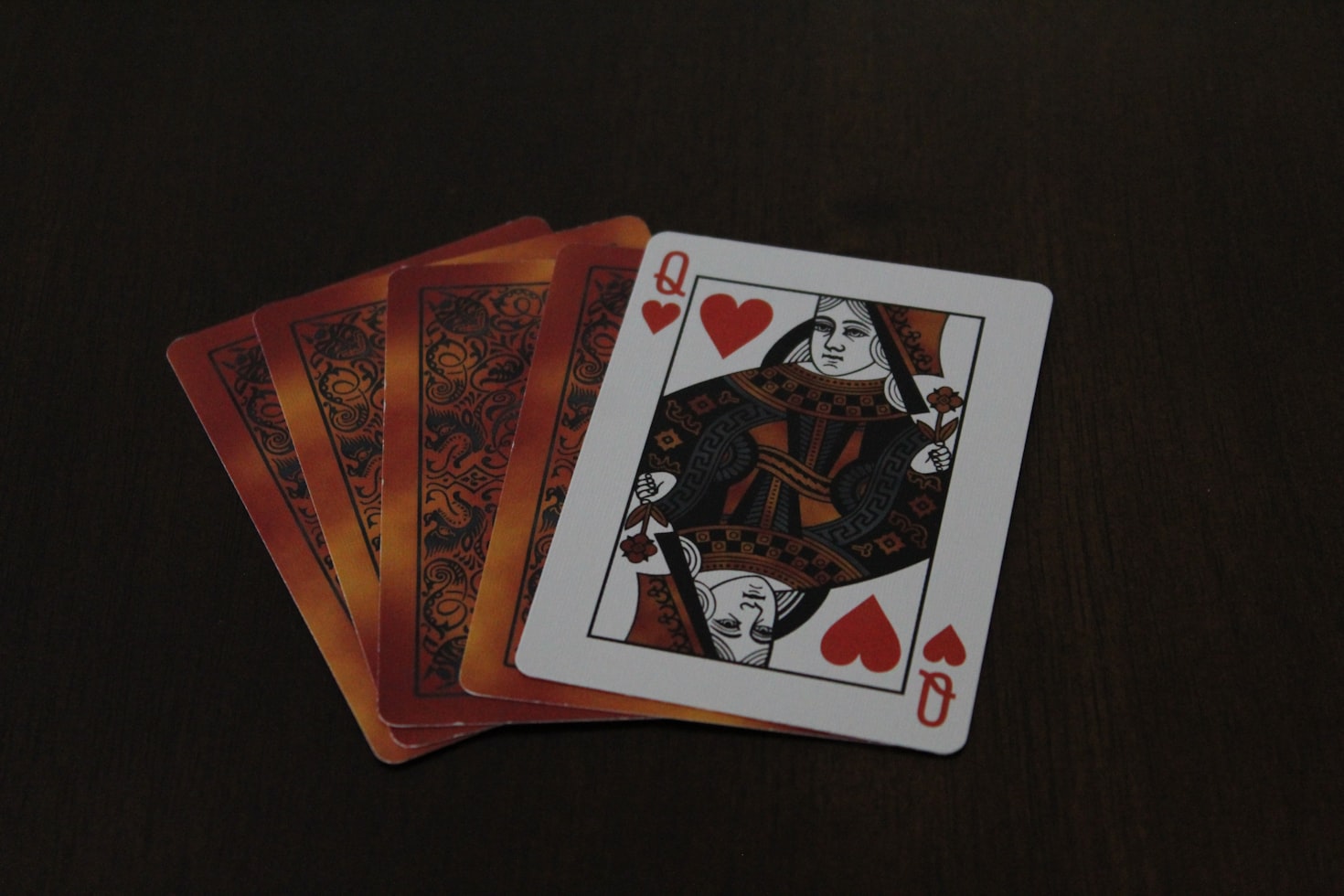
The period also saw the invention of playing cards in the 14th century, which added a new dimension to gambling. These cards quickly spread throughout Europe, leading to the popularity of various card games that are still enjoyed today. This era laid the groundwork for the formalization of gambling as a regulated activity in the following centuries.
The Birth of Modern Gambling
The 18th and 19th centuries marked a significant turning point for gambling, as it began to be recognized as a legitimate form of entertainment. The establishment of lotteries and horse racing attracted widespread participation, and betting became more structured. The rise of casinos in places like Monte Carlo created a glamorous environment for gambling enthusiasts, further legitimizing the activity.
Technological advancements also played a role in this evolution. The invention of the mechanical slot machine in the late 19th century revolutionized gambling, making it accessible to a broader audience. These innovations laid the foundation for the modern gambling industry, which has since expanded to include various games, platforms, and technologies.
The Digital Revolution and Online Gambling
The late 20th century ushered in the digital revolution, transforming gambling once again. The advent of the internet opened up new opportunities for gambling, leading to the establishment of online casinos. These platforms allow players to enjoy their favorite games from the comfort of their homes, broadening the appeal of gambling globally.
The rise of mobile technology has further enhanced this experience, enabling individuals to gamble on their smartphones and tablets. Online poker rooms and sports betting websites have become hugely popular, creating a dynamic and ever-evolving landscape for gambling. Regulatory frameworks have also adapted to this shift, ensuring that online gambling is conducted safely and responsibly.
Understanding Gambling Today
Today, gambling is not only a form of entertainment but also a significant economic sector. It encompasses a wide range of activities, from traditional casinos to online gaming, lotteries, and sports betting. Different cultures have varying perspectives on gambling, with some embracing it as a leisure activity while others view it as a moral dilemma.
As the industry continues to evolve, it is essential to engage in responsible gambling practices. Awareness campaigns and support systems have emerged to address potential gambling addiction and to promote safer gaming environments. Understanding the history of gambling is crucial for appreciating its complexities and cultural significance in contemporary society.
 Romanian
0 comentarii